The Strait of Hormuz has seen plenty of tension over the years, but few moments have felt quite as precarious as this one.
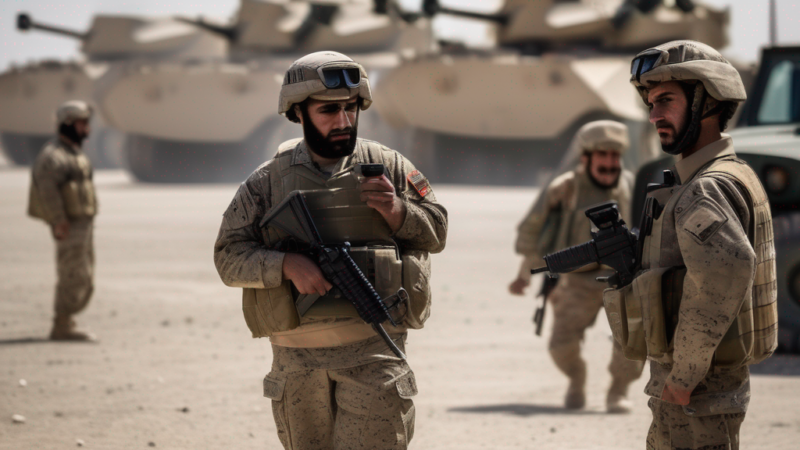
US forces launched a fresh wave of airstrikes on Iranian military positions overnight, hours after Tehran announced it was closing the Strait of Hormuz to international shipping. The move came in direct response to an attack on a Cyprus-flagged cargo vessel travelling through the critical waterway, which left at least three crew members injured and caused significant damage to the ship’s hull.
The strait is no minor inconvenience to block. Around 20% of the world’s oil supply passes through it every single day, and Lloyd’s of London had already raised war-risk insurance premiums in the region by 0.5% earlier this week. Within hours of Tehran’s announcement, Brent crude jumped more than $8 a barrel.
“This is not a proportionate response, it’s an escalation,” said one European Union foreign policy official, speaking on condition of anonymity. “The closure of Hormuz, if sustained, changes the entire calculus.”
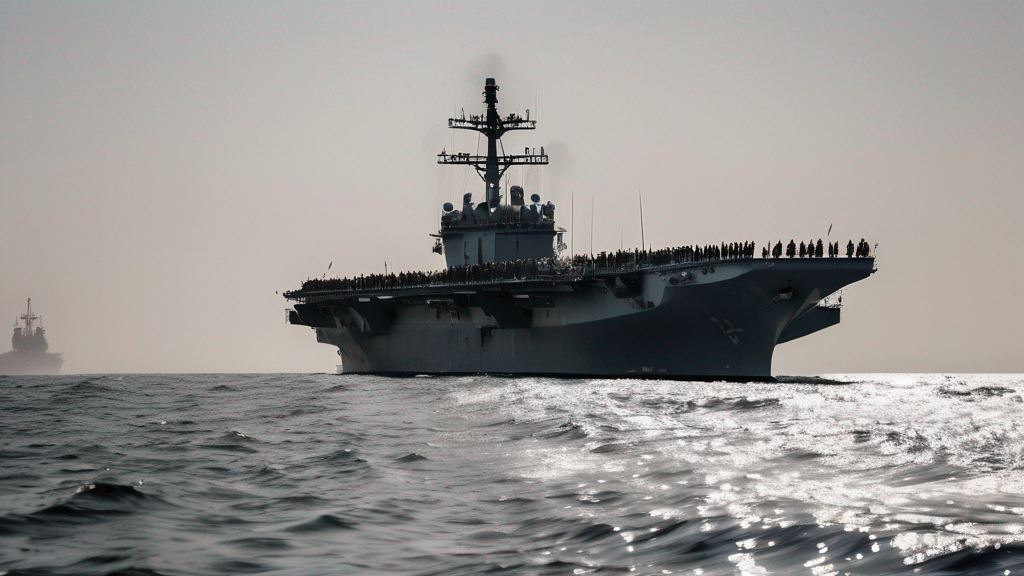
Washington, for its part, says the strikes were “targeted and precise,” focused on Iranian naval infrastructure and missile launch sites along the coast. The Pentagon confirmed F/A-18 jets operating from the USS Harry S. Truman carrier group conducted the operation. No US casualties have been reported.
Iran’s state broadcaster insisted the closure would remain in force “until the aggression ceases,” though shipping analysts at Vortexa noted that at least six tankers were already diverting around the Cape of Good Hope as a precaution, adding roughly nine days to their journey times.
Back home, the impact is already being felt at the forecourts. Several UK fuel retailers quietly nudged prices up by 2p per litre overnight, with analysts at Investec warning of further rises if the situation doesn’t stabilise within the week.
Britain’s Foreign Secretary issued a statement calling for “immediate de-escalation,” though notably stopped short of criticising the US strikes directly. It’s a diplomatic tightrope the UK has walked before, and it never gets any easier.
The question now is whether either side has any appetite for an off-ramp, or whether the next 48 hours will make that conversation considerably harder to have.