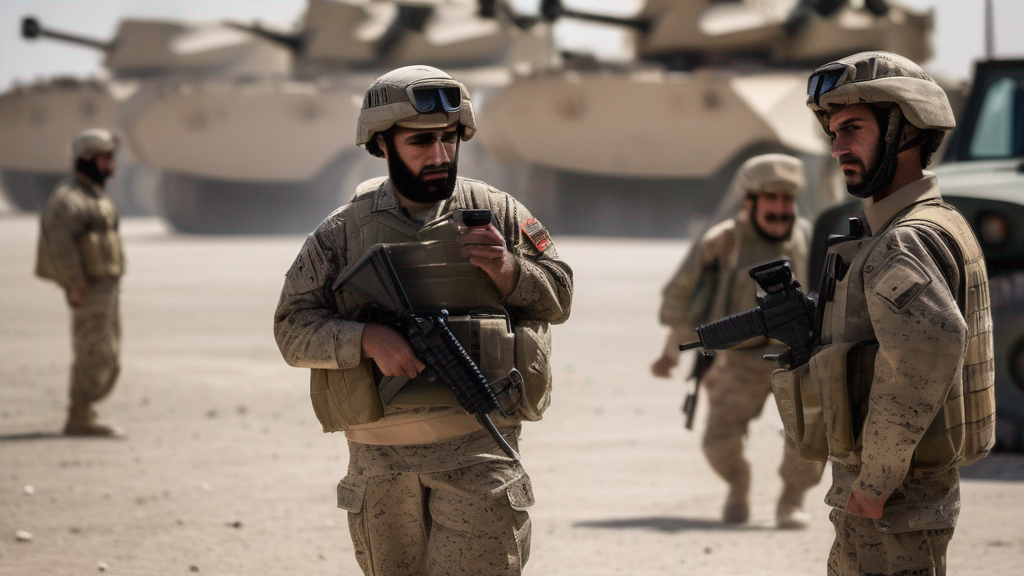
The Middle East woke up to a sharply escalating crisis on Wednesday, as the United States and Iran traded military strikes and immediately blamed each other for breaking a ceasefire that had barely had time to breathe.
Iran’s state media confirmed the Islamic Republic launched what it described as “retaliatory strikes” against US military infrastructure in Kuwait and Bahrain, hours after Washington announced it had hit multiple targets across Iranian territory. Both sides insist they fired second. Neither is backing down.
The Pentagon said its strikes targeted Iranian missile sites and command facilities, framing the operation as a necessary response to what it called “unprovoked aggression.” Iran’s foreign ministry pushed back hard, insisting the US moved first and that Tehran was simply exercising its right to self-defence under international law.
“The Islamic Republic will not stand by while its sovereignty is violated,” Iran’s foreign ministry spokesperson said in a televised statement, adding that any further US action would be met with a “proportional and decisive response.”
US Central Command has not yet confirmed the full extent of damage from the Iranian strikes on Kuwait and Bahrain, but early reports suggest infrastructure at two bases was hit, with no American fatalities confirmed at the time of writing. Kuwait City issued an emergency alert to residents near the Al-Salem Air Base shortly after midnight local time.
Oil markets reacted immediately. Brent crude jumped nearly 4% in early Asian trading, breaking past $94 a barrel, as traders priced in the very real possibility that the Strait of Hormuz, through which roughly 20% of the world’s oil passes, could become a flashpoint.
Britain’s Foreign Office updated its travel advice for the Gulf region overnight, urging nationals to “exercise heightened caution” and avoid non-essential travel to parts of Bahrain. A FCDO spokesperson said the government is “monitoring the situation closely and in contact with regional partners.”
Diplomats in Brussels and Riyadh are reportedly scrambling to arrange emergency talks, though given that both Washington and Tehran are now publicly accusing each other of firing first, finding a neutral starting point for any conversation looks extraordinarily difficult.
The question nobody wants to answer out loud is whether either side has actually defined what “stopping” looks like, because right now, neither appears to be looking for the exit.