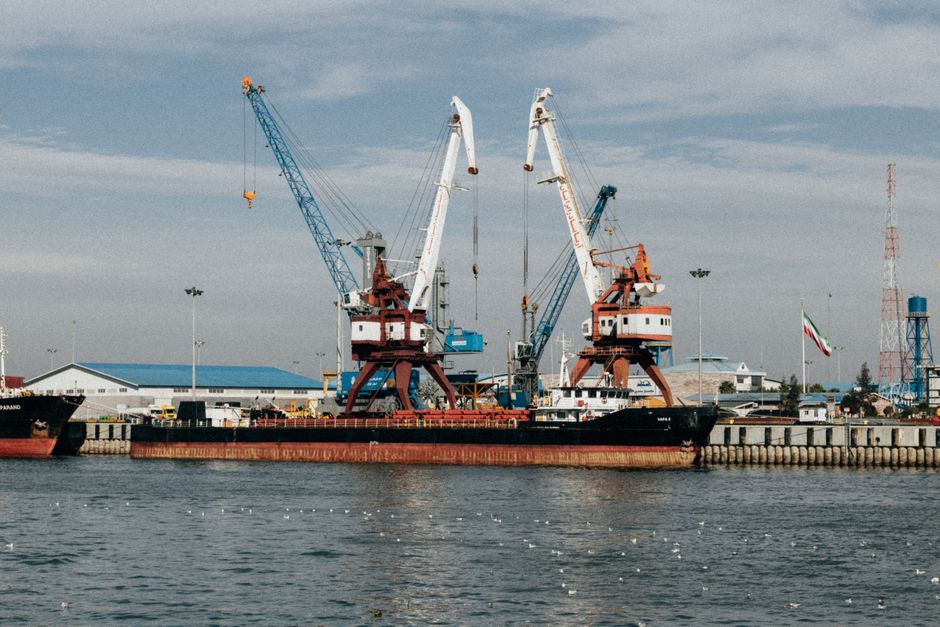
The Middle East took another sharp turn this week when US forces launched strikes on Iranian military targets, in direct retaliation for an attack on a commercial cargo ship in the region.
US Central Command confirmed it had hit missile and drone storage facilities, as well as coastal radar positions linked to Iran. The strikes were described as a targeted response, though the message being sent is anything but subtle.
The cargo ship attack, which prompted the retaliation, is the latest in a string of incidents that have rattled global shipping lanes around the Red Sea and Gulf of Aden. Insurers and shipping firms have been watching the region with growing anxiety for months, with some major operators already rerouting vessels thousands of miles out of their way to avoid the area.
“These actions will make clear that the United States will defend its interests and the freedom of navigation,” a US military spokesperson said following the strikes.
Iran has not formally acknowledged responsibility for the cargo ship attack, which is fairly standard practice at this point. Tehran tends to operate through proxies, keeping its own hands looking clean while the Houthi movement in Yemen has been the most visible actor targeting commercial vessels in recent months.
The timing is significant. Diplomatic efforts between Washington and Tehran have been fragile at best, and strikes directly on Iranian soil or Iranian-linked facilities always carry the risk of sharp escalation. So far, both sides have shown they’d rather exchange blows at arm’s length than tip things into something far uglier.
For ordinary British consumers, the ripple effects are real. Shipping delays and rising freight costs have already nudged up prices on goods coming through the Suez Canal route, and another round of instability in the region won’t help.
Whether the US strikes serve as a genuine deterrent or simply add fuel to an already volatile situation is the question nobody in Washington, London, or Tehran can fully answer right now.