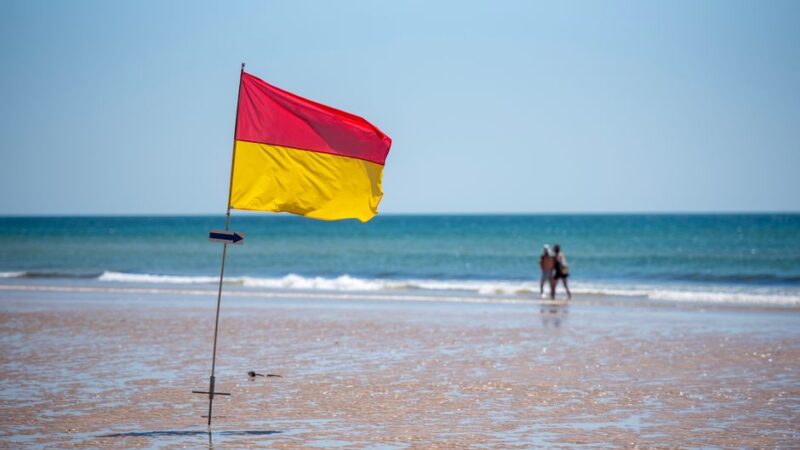
It’s not often that Britain gets hot enough to cause serious trouble, but this week’s heatwave has managed to ground flights, close schools, and set houses ablaze. Welcome to summer 2025.
Bristol Airport was forced to temporarily suspend operations after runway surfaces reached temperatures that made safe aircraft movements a genuine concern. Flights were delayed and diverted, leaving hundreds of passengers stranded in terminals that, by all accounts, were not exactly built with 35-degree heat in mind.
Meanwhile, dozens of schools across the Bristol and Somerset area sent children home early or shut their doors entirely. Classrooms in older buildings were recording internal temperatures well above 30°C, with some headteachers describing conditions as simply “unsafe for learning.” You can’t really argue with that.
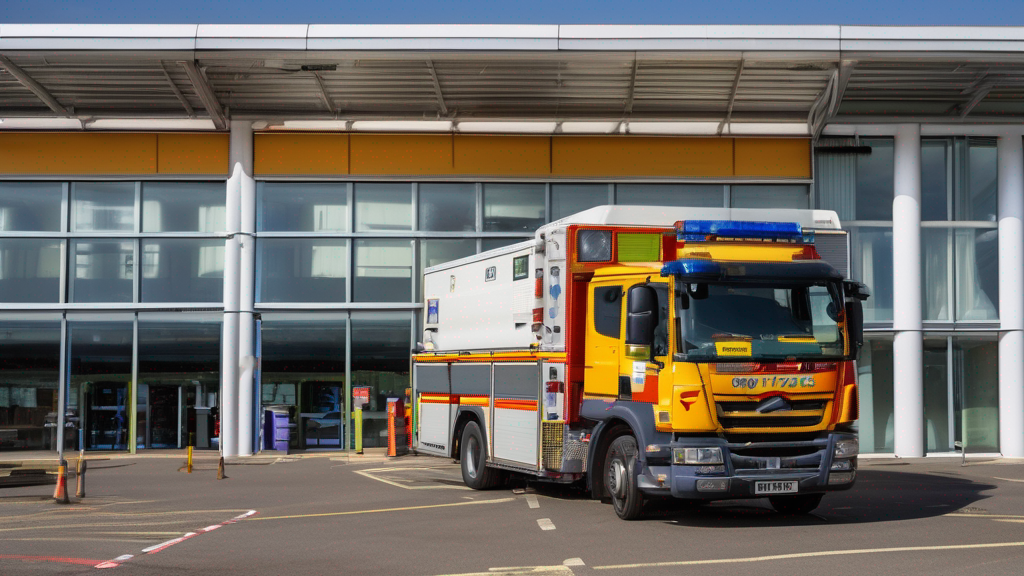
The most alarming incident came when a house fire broke out in a residential street in the city, with fire crews linking the blaze to the extreme heat. Dry vegetation and sun-baked building materials created conditions where a small spark was all it took. Firefighters tackled the blaze for several hours before bringing it under control; fortunately, no fatalities were reported.
“We’ve been responding to a significantly higher number of fire-related incidents over the past 48 hours,” one Avon Fire and Rescue spokesperson noted. “People need to be aware that the risk is very real right now.”
The Met Office had placed a red heat warning across large parts of England, with temperatures in the South West peaking at around 37°C on Tuesday. That’s not a figure most Britons are remotely prepared for, and it shows.
Rail services also took a hit, with Network Rail implementing speed restrictions on lines where track buckling became a risk. Journey times across the region stretched by 20 to 40 minutes on some routes.
The wider picture is a troubling one. Events like these are no longer freak occurrences. They’re becoming a recurring feature of British summers, and infrastructure that was designed for a cooler, wetter climate is increasingly struggling to cope.
The real question isn’t whether this week’s chaos was avoidable. It’s whether Britain will still be having the same conversation in ten years’ time, still caught off guard, still improvising.