Britain baked its way into the record books on Thursday, and if you thought it felt unusually fierce out there, you weren’t imagining it.
Merryfield in Somerset hit 36.7°C, making it the hottest June day ever recorded in the UK. That’s not just warm-for-Britain territory; that’s genuinely, historically sweltering. The kind of heat that turns a walk to the shops into a minor ordeal and makes air conditioning units the most coveted appliance in the country.
The Met Office has now issued a red heat warning for south-east England, its highest level of alert. Red warnings aren’t handed out lightly. They signal a serious risk to life, particularly for older people, young children, and anyone with underlying health conditions.
Hospitals across the region are bracing for increased pressure. NHS England urged people to check on elderly neighbours and relatives, drink plenty of water, and avoid being outdoors during the peak heat hours of 11am to 3pm. Simple advice, but genuinely important when temperatures climb this high.
“This is exceptional, even by the standards of recent summers,” said one Met Office forecaster. “We’re in uncharted territory for June.”
Train services have already begun running slower on certain routes, with Network Rail citing the risk of tracks buckling under extreme heat. Roads in some areas are being treated with anti-skid compound to stop tarmac softening. It sounds almost comic, but it’s entirely real.
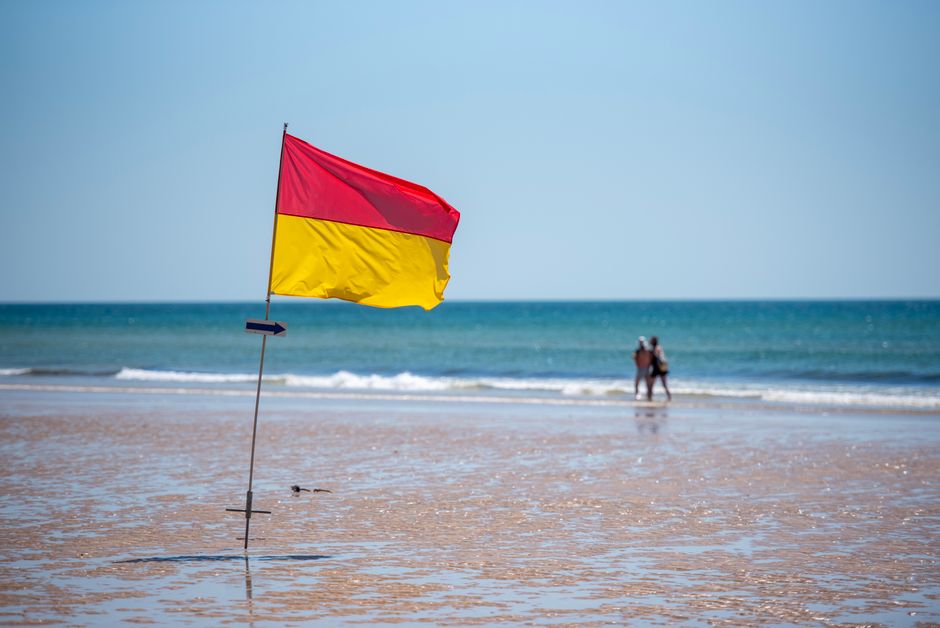
Beaches along the south coast were predictably packed by mid-morning. Brighton, Bournemouth, and Southend all reported crowds arriving well before 9am, with some families having camped out overnight to secure a decent spot.
It’s not just uncomfortable; it’s potentially dangerous. The UK’s housing stock simply isn’t built for this. Older homes trap heat rather than deflect it, and the vast majority have no air conditioning whatsoever. A red warning in June, before summer has officially reached its peak, raises an uncomfortable question: what will July and August look like?