The US Navy has lifted its naval blockade of Iranian waters, but don’t expect Tehran to be popping champagne anytime soon. Whatever the diplomats are calling a breakthrough, Iran’s supreme leader Ayatollah Ali Khamenei isn’t buying it, and he’s made absolutely certain the world knows it.
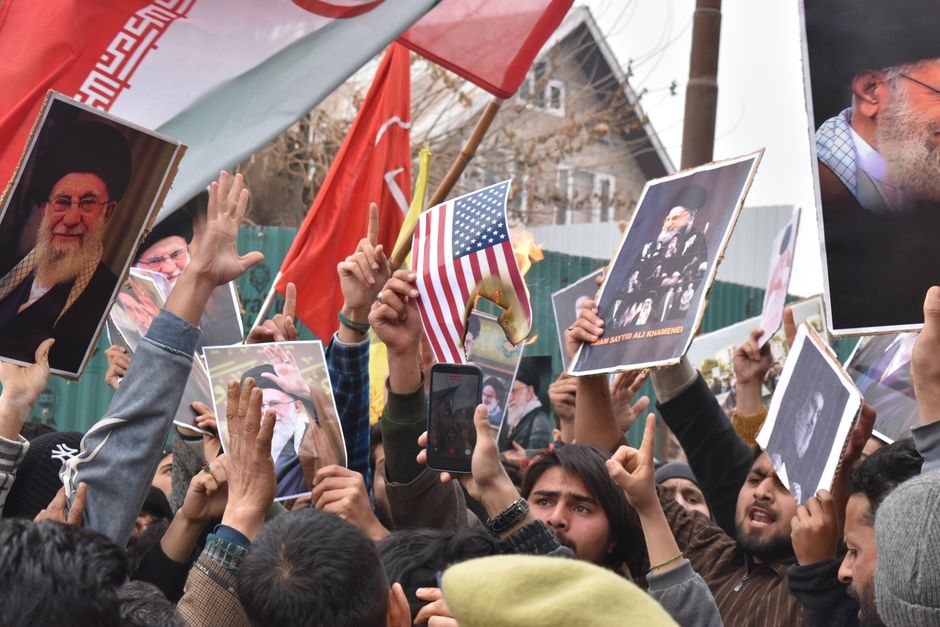
Khamenei came out swinging almost immediately after the deal was announced, dismissing the agreement as a sign of American weakness rather than statesmanship. In his view, Donald Trump didn’t negotiate from a position of strength; he folded. The supreme leader stated plainly that Trump had signed the deal “out of desperation”, a characterisation that’s hardly the warm diplomatic handshake Washington might have hoped to project.
The blockade, which had choked off key Iranian shipping lanes and sent ripples through global oil markets, is now officially over. American naval vessels that had been stationed in the Strait of Hormuz area are withdrawing. For Iran’s economy, battered by years of sanctions and pressure, that’s a tangible, immediate relief, whatever Khamenei says publicly.
“I disagree with this deal,” Khamenei told state media, adding that the negotiations had not reflected Iranian strength but rather American anxiety about the consequences of continued confrontation.
It’s a curious position. Iran gets the blockade lifted, yet its own leadership is publicly rubbishing the agreement that secured it. There’s a certain internal logic to it, of course. Khamenei can’t be seen endorsing a deal brokered by Trump without handing domestic hardliners a very large stick to beat him with.
On the American side, the White House has framed the agreement as a diplomatic win, a demonstration that pressure works. Trump’s team will point to the blockade’s removal as proof the tactic achieved its goals.
Oil markets twitched on the news, with Brent crude dipping roughly 1.4% in early trading before steadying. Traders have learned not to bet heavily on Middle East calm lasting longer than a news cycle.
What nobody quite knows yet is whether this uneasy arrangement holds, or whether Khamenei’s very public contempt for it signals something more destabilising on the horizon.