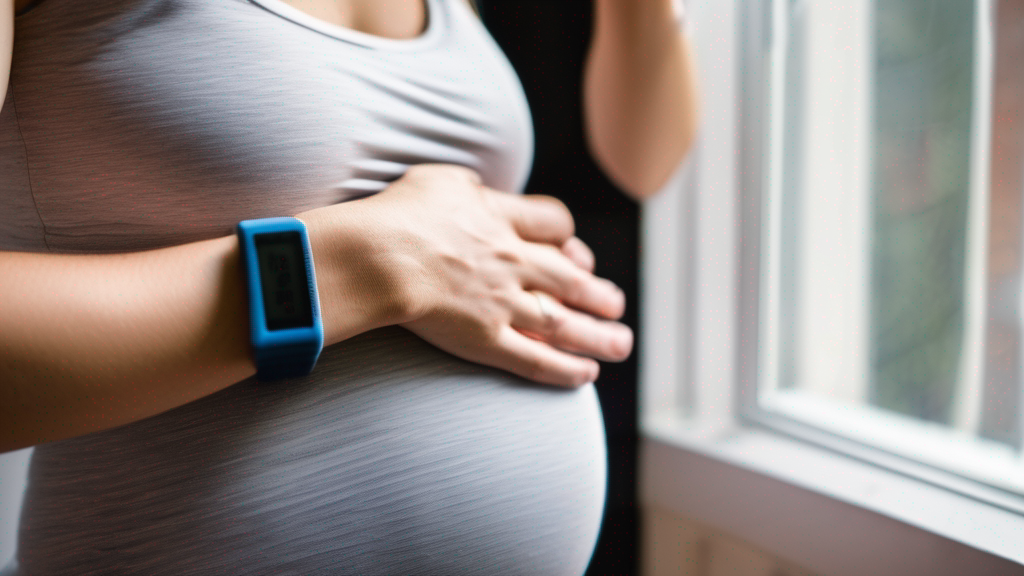
Ravika hadn’t missed a period yet. She hadn’t felt sick. But her Garmin had quietly started flagging something unusual, and within days, a pregnancy test confirmed what her wrist had apparently already worked out.
She’s one of a growing number of women discovering that their fitness trackers are picking up on early pregnancy signs before any obvious symptoms appear. Heart rate variability, resting heart rate, skin temperature, sleep patterns – these metrics can shift in the first weeks of pregnancy, sometimes dramatically, and the algorithms are getting good at noticing.
Resting heart rate, for instance, typically rises by around 10 to 15 beats per minute during early pregnancy as the body begins pumping more blood. For someone who’s been wearing a tracker long enough to establish a baseline, that kind of spike stands out. Garmin, Fitbit, and the Oura Ring all log this data continuously, and users who know what to look for are increasingly connecting the dots themselves.
“I thought I was getting ill,” Ravika said. “My stats just looked off. My resting heart rate had crept up over about two weeks, and my HRV was all over the place. I Googled it almost as a joke, and every forum kept saying the same thing.”
It’s not an official feature on most devices. None of these companies are marketing their products as pregnancy detectors, and for good reason. The signals are subtle, easily confused with stress, illness, or a change in routine. A spike in resting heart rate could mean you’re fighting off a cold just as easily as it might signal implantation.
But women have been sharing their tracker data in pregnancy forums for years now, building up an informal body of evidence that researchers are starting to take seriously. A 2022 study from the University of Michigan found that resting heart rate data from consumer wearables could detect pregnancy an average of five weeks before a missed period in some cases.
Five weeks is a long time, particularly for women managing conditions affected by early pregnancy, or those trying to conceive after loss.
The technology isn’t there yet to make this reliable for everyone, and it probably won’t replace a test anytime soon. But as wearables get smarter and datasets grow larger, it’s worth asking how much our devices already know about us that we haven’t quite caught up with yet.