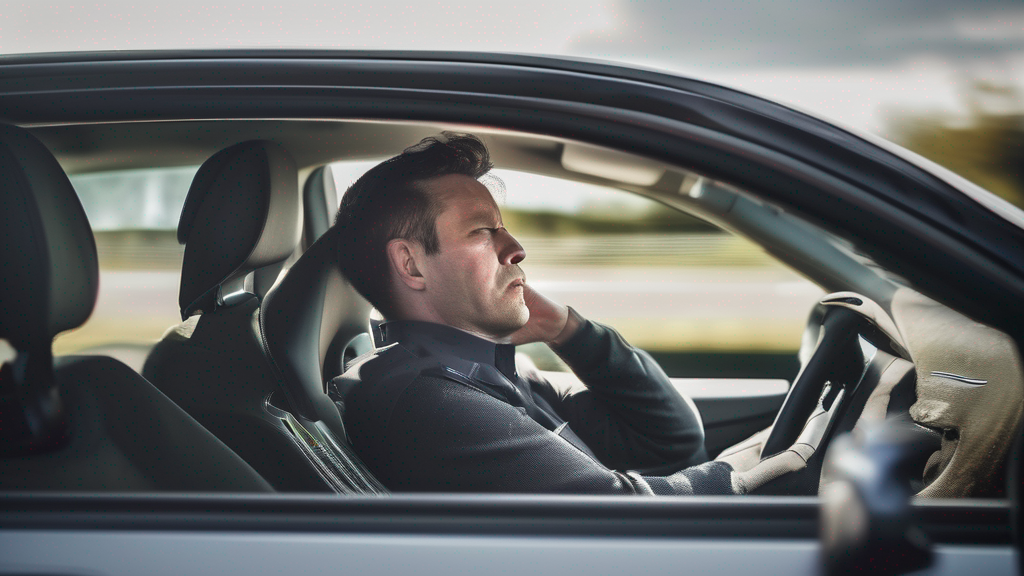
Getting caught on your phone behind the wheel on the M27 isn’t exactly a rare story, but it’s a reminder that Hampshire’s roads are very much on the radar for traffic officers this year.
A driver travelling on the M27 was handed a fixed penalty notice after police spotted them using a mobile phone while at the wheel. The incident, flagged by Hampshire and Isle of Wight Constabulary, adds to a growing list of enforcement actions the force has been carrying out on the county’s motorway network in recent months.
Under rules introduced in 2022, it’s now illegal to use a handheld phone for virtually any purpose while driving, including scrolling, taking photos, or even checking the time. The fixed penalty for getting caught is £200 and six points on your licence. For new drivers still within their two-year probationary period, that’s enough to lose their licence entirely.
Officers don’t need to see you making a call anymore. Simply holding the device is enough to land you in trouble, and police forces across England have been increasingly vocal about clamping down on what remains one of the more persistent bad habits on Britain’s roads.
“Using a mobile phone while driving is dangerous and completely unacceptable,” a Hampshire police spokesperson has previously stated. “You are not in proper control of your vehicle, and you’re putting yourself and everyone around you at risk.”
It’s a message that clearly isn’t getting through to everyone. Road safety charity Brake estimates that using a phone at the wheel makes you four times more likely to crash. The reaction times of someone driving while on their phone are reportedly slower than those of a driver at the legal alcohol limit.
The M27 is a busy commuter corridor connecting Southampton and Portsmouth, carrying tens of thousands of vehicles daily. It’s not a stretch to say enforcement there sends a fairly clear signal to drivers across the region.
Hands-free kits remain legal, though research increasingly suggests even those cause enough cognitive distraction to raise accident risk. Whether the law will eventually catch up with the science on that front is a question worth watching.