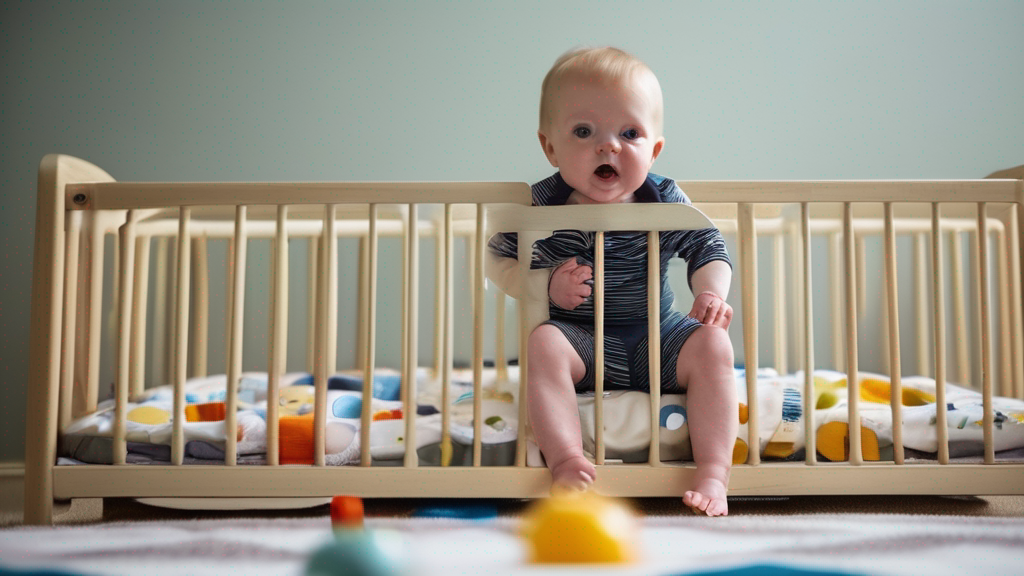
Thousands of nursery places could disappear overnight if the government presses ahead with a proposed ban on floor-level baby beds, childcare providers are warning. It’s a regulation that sounds minor on paper but could, in practice, reshape the entire sector.
The rule in question targets the low, mattress-style floor beds commonly used in Montessori-influenced nurseries and smaller independent settings. Regulators are concerned about safety and supervision standards. But nurseries say the beds are already used safely across hundreds of settings, and that forcing them to rip out their sleep rooms and refit with raised cots would cost money many simply don’t have.
The Pre-School Learning Alliance, which represents thousands of early years providers across England, has warned that smaller nurseries operating on tight margins could be pushed into closure. With average fit-out costs for a compliant sleep room potentially running into several thousand pounds per setting, the sums don’t add up for many operators already squeezed by the government’s expanded free hours rollout.
“We’re already seeing providers exit the market because the funding simply doesn’t cover costs. Adding a costly compliance requirement on top of that risks accelerating closures in exactly the communities that need childcare most,” one sector representative told reporters this week.
The timing is awkward, to put it mildly. The government has spent the past year trumpeting its expansion of free childcare hours for under-fives, a flagship policy designed to ease the cost of living burden on working parents. But providers have consistently argued the hourly funding rates don’t reflect real-world running costs. A new compliance burden, however well-intentioned, lands on already fractured ground.
Parents, meanwhile, are caught in the middle. With demand for nursery places already outstripping supply in many areas, particularly in rural communities and urban outer boroughs, any reduction in capacity would mean longer waiting lists and, almost certainly, higher fees where the private market fills the gap.
The Department for Education says it’s reviewing the evidence and consulting with the sector before making any final decision. That consultation period, campaigners say, must be meaningful rather than a formality.
Whether a safety-driven regulation ends up doing more harm than good to the very children it’s meant to protect is a question ministers will need to answer convincingly, and soon.