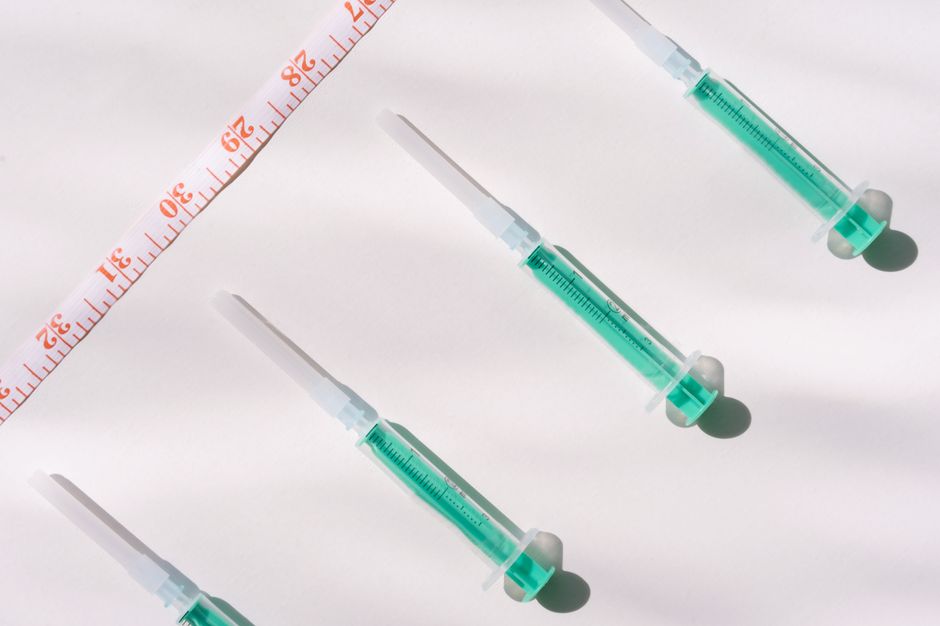
If you’ve spent the last two years watching Wegovy dominate the headlines and wondering when something a little less needle-shaped might come along, your wait is officially over.
Novo Nordisk, the Danish pharmaceutical giant behind the wildly popular Wegovy injection, has now made its oral semaglutide pill available to buy privately at UK pharmacies. It’s the same active ingredient as the jab, just in tablet form, taken once a day. No syringes, no sharps bin under the bathroom sink.
The pill, sold under the brand name Rybelsus in its existing diabetic formulation, works by mimicking a hormone called GLP-1 that regulates appetite and blood sugar. In plain terms, it makes you feel fuller for longer and takes the edge off cravings. Clinical trials showed participants losing an average of 15% of their body weight over 68 weeks, which is significant by any measure.
There’s a catch, of course. This is private prescription only, at least for now, meaning it won’t be free on the NHS. Prices are expected to sit somewhere between £150 and £250 per month depending on the pharmacy and dosage, putting it firmly out of reach for many people who arguably need it most.
“Access remains the real conversation here,” one obesity specialist recently noted. “The clinical case for these medications is strong. The postcode lottery for who can afford them is the part nobody’s quite solved yet.”
It’s also worth being clear about what this pill isn’t. It’s not a casual diet supplement you can pick up alongside your vitamins. Patients will need a consultation, a prescription, and ideally some ongoing medical oversight. The side effects, mostly nausea and digestive upset, are real and tend to be more pronounced in the early weeks.
For people with a genuine clinical need who’ve struggled with injectable options or simply can’t face them, the pill offers a meaningful alternative. The convenience factor alone will matter to thousands.
Whether the NHS follows suit with broader access, and how quickly, is now the question hanging in the air. With obesity-related conditions costing the health service an estimated £6.5 billion a year, the economic argument for wider availability isn’t exactly subtle.
The pill is here. Now comes the harder part: deciding who gets it.