London got a proper soaking on Thursday, as a series of violent thunderstorms tore through the capital, knocking out rail services, sparking fires, and turning several streets into impromptu rivers.
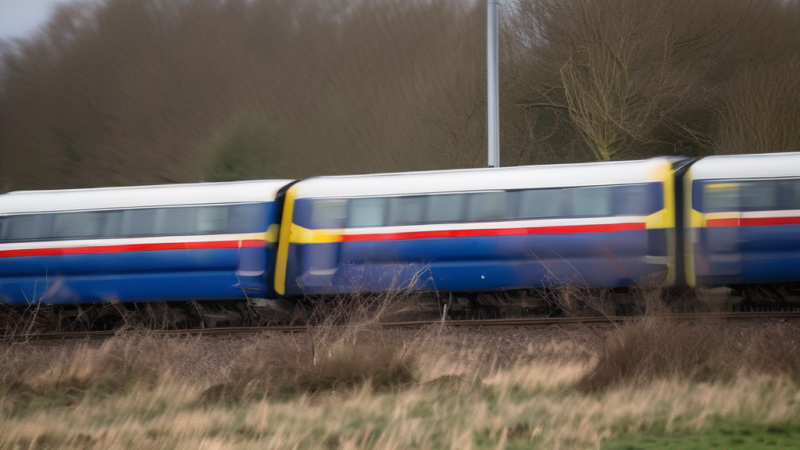
The storms rolled in from the south-west during the morning rush hour, which, frankly, couldn’t have been worse timing. Southeastern and Thameslink both reported severe delays, with some services suspended entirely after lightning strikes disrupted signalling equipment near London Bridge and Blackfriars. Commuters were left stranded on platforms, some for well over an hour.
The London Fire Brigade responded to more than 80 weather-related call-outs across the city, including at least three separate fires believed to have been triggered by lightning strikes on residential properties in Lewisham, Croydon, and Barnet. Crews worked through the worst of the downpour to bring the blazes under control, with no serious injuries reported.
“It came out of nowhere,” said one Lewisham resident whose garden shed took a direct strike. “One minute it was grey and muggy, the next the whole sky lit up.”
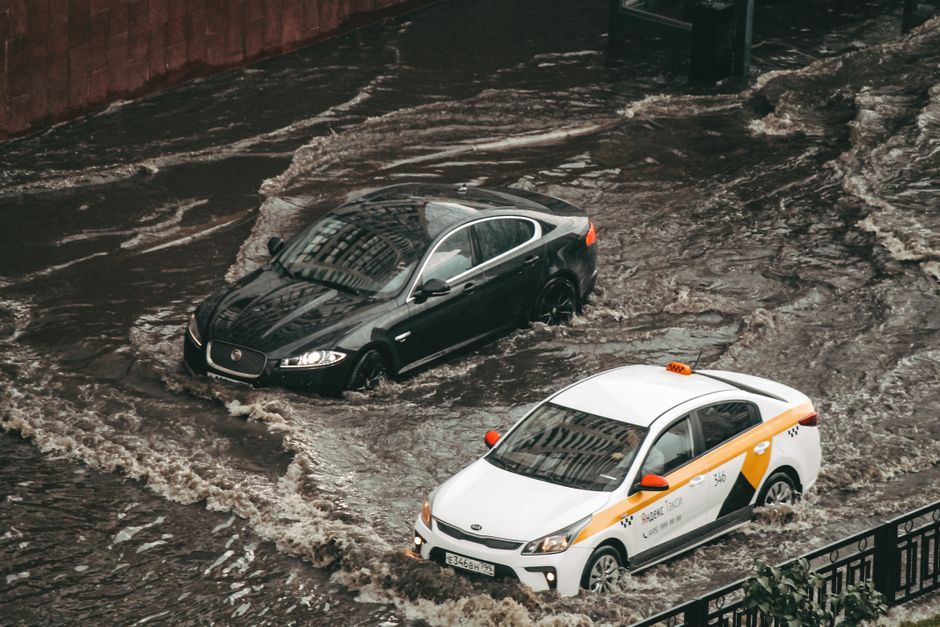
Flooding hit several low-lying areas hard. Parts of Hither Green, Catford, and Walthamstow saw water levels rise fast enough to flood ground-floor flats and force a handful of road closures. The Woolwich foot tunnel was temporarily shut after water began pooling at the entrance.
The Met Office had issued a yellow warning for thunderstorms across London and the South East from 6am, though the intensity of the downpour caught even seasoned forecasters slightly off guard. Rainfall totals of around 28mm were recorded in parts of south London within a single hour, roughly a third of the average for the entire month of July.
Transport for London urged passengers to check before travelling, a message that came a touch late for the thousands already crammed onto replacement bus services by mid-morning.
The clean-up is ongoing, and more unsettled weather is expected later in the week. With ageing drainage infrastructure already under strain across much of the capital, the bigger question is how many more summers like this London can absorb before something more fundamental has to change.