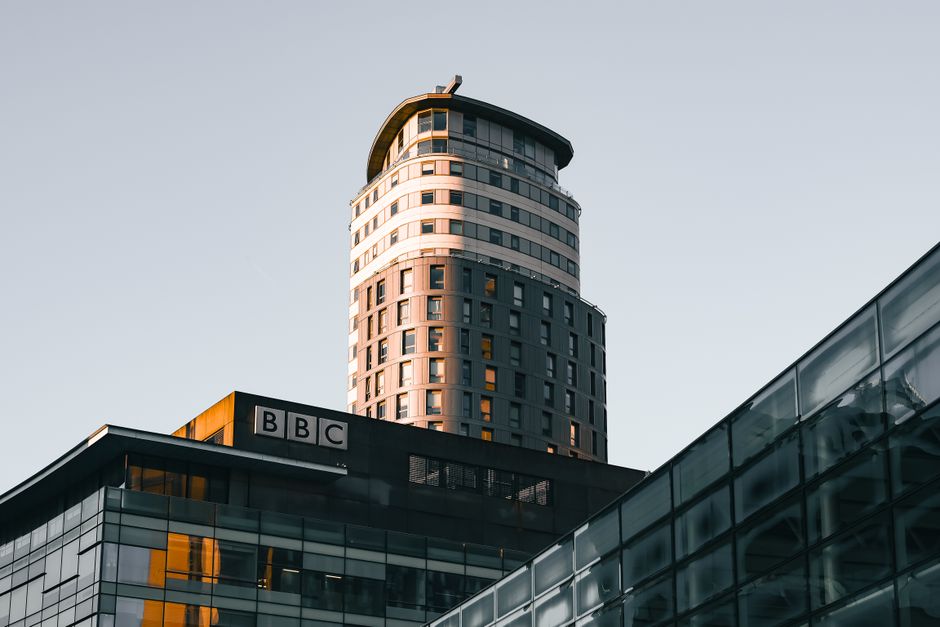
The BBC is cutting 550 jobs as the opening move in a sweeping £500 million savings drive, and it’s the kind of announcement that sends a chill through every newsroom in the country.
The corporation confirmed the redundancies this week, describing them as the first phase of a longer restructuring plan aimed at keeping the BBC financially viable through the rest of the decade. Director-General Tim Davie has made clear that the organisation simply cannot carry on as it is, with the licence fee frozen and costs rising across the board.
The cuts are expected to fall across multiple departments, though the BBC hasn’t yet spelled out exactly where the axe will land hardest. Staff are understandably anxious. The National Union of Journalists called the announcement “devastating” and warned that viewers and listeners would ultimately feel the impact through reduced output and quality.
It’s worth putting the scale of this in context. The BBC employs roughly 21,000 people. Losing 550 is not trivial, but the corporation is signalling this is just the beginning. The full £500 million in savings needs to be found over the coming years, which means further rounds of cuts almost certainly lie ahead.
The licence fee, currently set at £169.50 a year, was frozen by the government before rising again in April 2024. But the BBC argues that even with modest increases, the gap between what it earns and what it costs to run a global public broadcaster keeps widening. Streaming competition from Netflix, YouTube, and the rest has also eaten into the BBC’s cultural dominance in a way that felt unthinkable fifteen years ago.
“We have to make difficult decisions to protect the things that matter most,” a BBC spokesperson said, the kind of corporate phrasing that offers cold comfort to those whose livelihoods are now uncertain.
Critics argue the BBC keeps finding money for executive salaries and pet projects while the people who actually make the programmes bear the brunt. Supporters counter that without serious restructuring, the whole institution risks becoming unworkable.
Either way, the question hanging over all of this is a big one: what kind of BBC do we actually want in 2030, and are we prepared to pay for it?